
Network security is no longer an option. It is a necessity for every business that handles data, whether it’s customer information, fiscal records, or internal dispatches. With the addition of cyberattacks targeting businesses of all sizes, the need for a structured and visionary approach to cybersecurity is critical.
This composition outlines a practical and professional network security checklist that associations can follow to secure their systems and avoid expensive breaches. Designed with simplicity, real-world exemplifications, and clear explanations, this companion can be used by IT brigades, business possessors, and cybersecurity advisers alike.
Why a Network Security Roster Matters
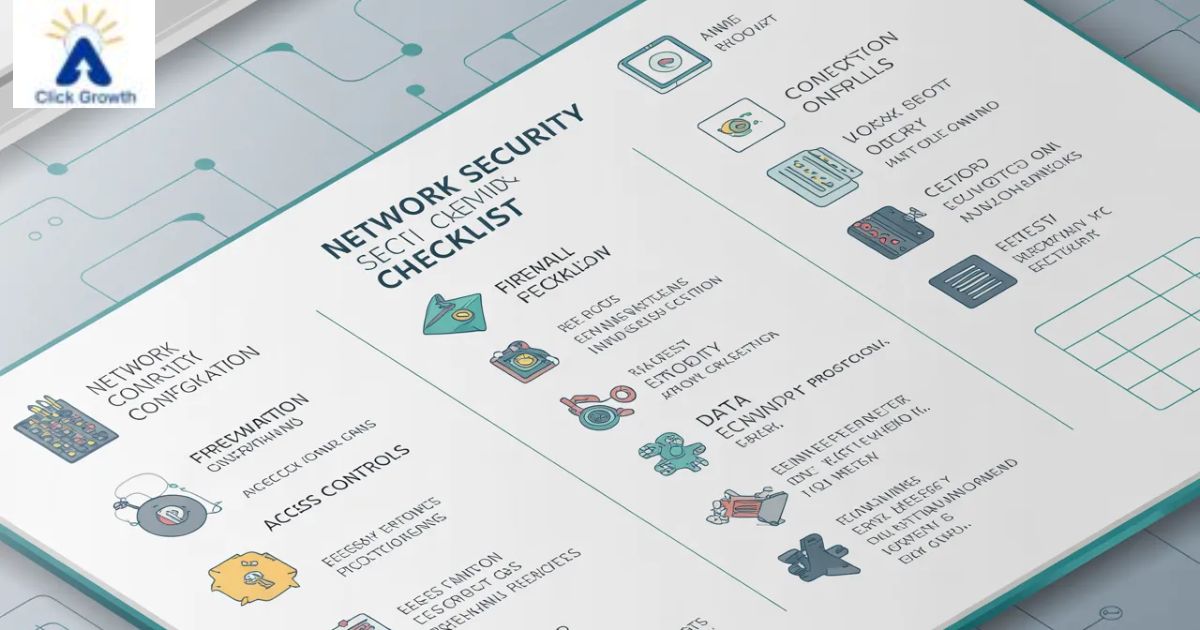
Numerous associations invest heavily in tackle and software but frequently overlook process-grounded security practices. A well-organised roster ensures nothing is missed. It allows brigades to methodically assess, apply, and cover essential security measures. From precluding unauthorised access to secure backups, a roster serves as a foundation for long-term cybersecurity adaptability.
According to a study by IBM Security, the average cost of a data breach in 2023 was $4.45 million. Still, companies that enforced layered security fabrics and regular assessments reduced that cost by nearly half. This shows the measurable value of applying harmonious network security protocols.
Network Security Checklist Key Areas to Cover
1. Assess and Map Your Network
- force all bias
Maintain a streamlined list of computers, waiters, routers, switches, mobile devices, and Internet of Things (IoT) particulars connected to your network. - Understand Network Layout
Use network mapping tools to fantasise your terrain, identify open anchorages, and detect vulnerable access points. - Member Networks
Divide your network into zones (similar to admin, guest, and product) to limit exposure in case of a breach.
Case Study:
A mid-sized law establishment in Chicago reduced internal pitfalls by 38 within six months after enforcing network segmentation and streamlined asset supplies.
2. Use Strong Access Controls
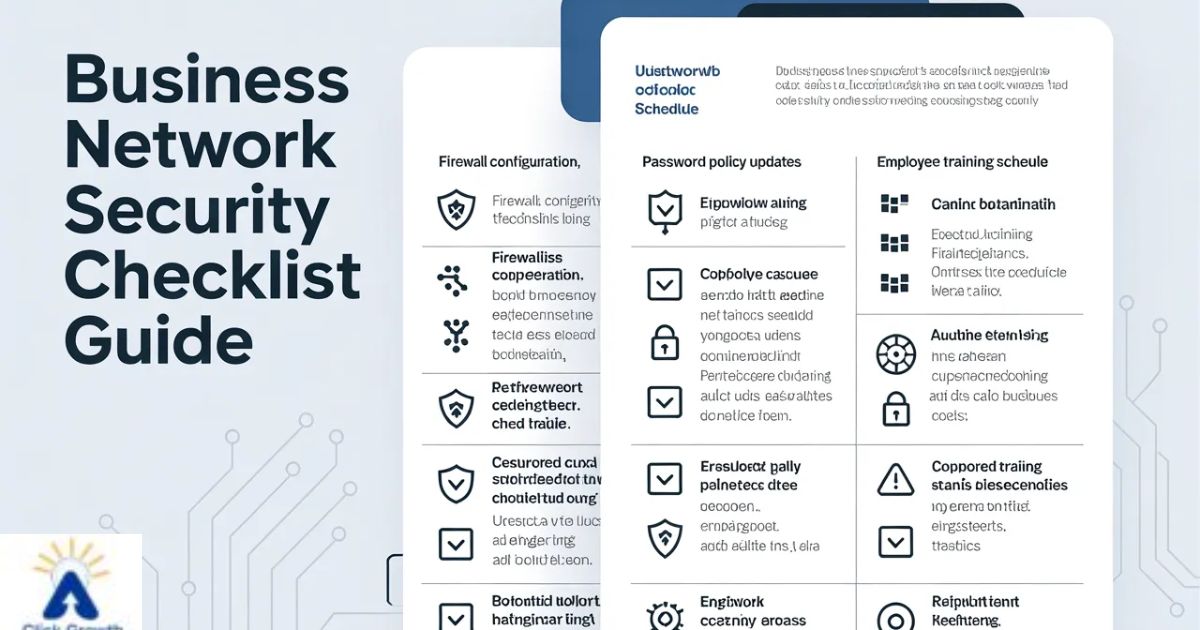
- apply strong word programs
Bear workers to use complex watchwords and change them regularly. Consider using word directors to simplify operation. - apply Multi-Factor Authentication (MFA)
MFA adds a redundant subcaste of security beyond just watchwords. - circumscribe user access
Apply the principle of least privilege (PoLP) so users only access the data and tools they need.
sapience:
Businesses using MFA were 99.9% less likely to be compromised, according to a Microsoft report.
3. Regularly Update and Patch Systems
- Schedule Automatic Updates
Enable system and software updates across all BIOS. - Examiner seller advisories
Subscribe to cautions from software providers to stay ahead of vulnerabilities. - Patch Management Policy
Establish a proven process for testing and planting patches, especially on critical structures.
Case Study:
In 2017, the WannaCry ransomware attack exploited a vulnerability that had a patch available for months. Companies with a patch operation policy avoided the breach entirely.
4. Firewall and Intrusion Prevention Systems (IPS)
- Install Enterprise-Grade Firewalls
Firewalls act as a first line of defence, covering incoming and gregarious business. - Configure rules duly
Customise rules to block known vicious IPs and gratuitous anchorages. - Use Intrusion Detection and Prevention
These systems dissect network business and block suspicious exertion.
Practical Tip:
A cloud-grounded IPS can cover remote workers and branch services without taking on-point structure.
5. Encrypt Data at Rest and in Transit
- Use SSL/TLS Protocols
Secure websites and online deals with TLS instruments. - Encrypt storage bias
Use full-fragment encryption for laptops, USBs, and external hard drives. - Secure Internal Dispatches
Encourage use of translated messaging tools and VPNs for remote work.
Compliance Note:
Regulations like GDPR and HIPAA accredit the encryption of sensitive data. Failing to do so could result in heavy forfeitures and reputational damage.
6. Regular Backups and Recovery Plans
- Automate Backups
Record backups at least daily, with storehouse on offsite or pall-grounded waiters. - Test Recovery Procedures
Periodically perform data recovery to ensure business durability. - Follow the 3-2-1 Rule
Keep three clones of your data, on two different types of media, with one offsite.
Case Study:
A logistics company in Texas restored its entire operations within hours after a ransomware attack, thanks to regular backups and a well-proved recovery plan.
7. Employee Security Awareness Training
- Conduct Regular Workshops
Educate workers on how to spot phishing attempts, produce strong watchwords, and report incidents. - pretend attacks
Use phishing simulation tools to test mindfulness and give feedback. - Set clear programs
Ensure all staff understand data handling procedures and device operation rules.
Insight:
Human error accounts for over 85% of data breaches. Investing in training provides one of the loftiest returns in cybersecurity.
8. Monitor Network Activity
- Implement Security Information and Event Management (SIEM)
SIEM tools dissect logs and alert you to unusual gestures. - Set cautions for suspicious exertion
Examiner for failed login attempts, unforeseen data transfers, or changes in user gesture. - Log Everything
Store logs in a secure position for auditing and forensic analysis if demanded.
Real-world illustration:
A fiscal services establishment detected unauthorised access through SIEM tools and avoided major data theft by acting within twinkles.
9. Physical Security Measures
- Secure Garçon Apartments
Use cinches, surveillance cameras, and access cards to cover physical outlets. - circumscribe USB port access
Disable anchorages where possible or use endpoint protection software to manage access. - Use Device Tracking
Equip company laptops and mobile devices with GPS shadowing and remote wipe capabilities.
10. Maintain and Review Security Programs
- Document All Security Protocols
Keep programs up-to-date and available to all staff. - Review Quarterly
Conduct regular checkups to estimate the effectiveness of your security practices. - Stay Informed
Follow cybersecurity news and threat intelligence feeds, and share in applicable forums or industry groups.
Pro Tip:
Involve operation, IT, and legal departments in security policy development to ensure full alignment across your association.
erecting a long-term security culture
Implementing a network security roster isn’t a one-time task—it is the morning of a nonstop enhancement cycle. Businesses must treat cybersecurity as a living process that evolves with pitfalls, technologies, and nonsupervisory changes.
Encouraging communication between departments, conducting regular assessments, and celebrating security successes can help make a culture of safety and mindfulness across your association.
Conclusion
A network security roster provides a clear, structured path for any business to follow in order to cover its digital means. From simple measures like administering strong watchwords to more complex executions similar to intrusion forestalment systems, every step counts. This companion serves as a starting point that can be acclimatised to your specific assiduity, size, and threat profile.
By investing time in reviewing and following this roster, businesses can significantly reduce their exposure to cyber pitfalls and foster trust with guests, mates, and controllers.
Summary: Network Security Checklist Overview
Checklist Item Purpose
Network Mapping Understand and secure infrastructure
Access Control Prevent unauthorized access
Patch Management Close software vulnerabilities
Firewalls and IPS Block malicious traffic
Encryption Protect data privacy
Backup and Recovery Ensure business continuity
Employee Training Reduce human error
Network Monitoring Detect suspicious activity early
Physical Security Secure hardware and access points
Policy Reviews Adapt and evolve security practices